
Understanding RMD Zoning: What It Means for Residential Development
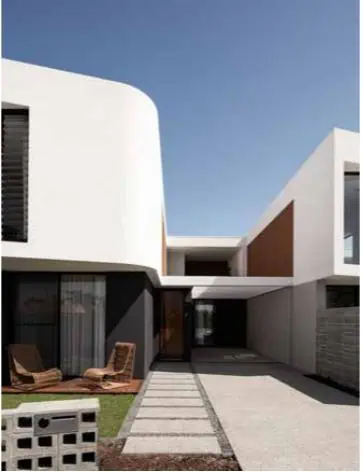
Residential Medium Density (RMD) zoning is a specific zoning category designed to streamline and optimise residential development in medium-density areas. Introduced in some parts of Western Australia as part of state and local government planning frameworks, RMD zoning simplifies the development process by offering tailored standards that are applied consistently across designated areas.
This article provides a comprehensive overview of RMD zoning, its purpose, and how it differs from traditional R-Codes zoning categories.
What is RMD Zoning?
RMD zoning is a derivative of the Residential Design Codes (R-Codes) but is customised for medium-density residential areas. Its goal is to facilitate efficient land use and housing diversity while maintaining liveability and urban character.
The standards under RMD zoning often modify or replace the traditional R-Codes requirements, offering developers a simpler approval process and clear guidelines tailored to medium-density housing.
Key Features of RMD Zoning
Streamlined Planning Framework
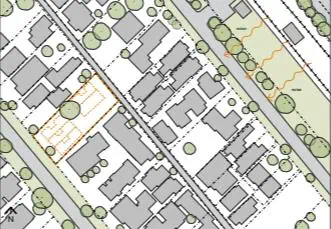
- RMD zoning establishes a uniform set of development standards for medium-density areas, reducing the need for individual assessments and negotiations with local councils.
- This consistency saves time and costs for developers.
Modified Standards
- RMD zoning modifies traditional R-Codes requirements to better suit medium-density housing needs, such as smaller lot sizes, reduced setbacks, and increased site coverage allowances.
Enhanced Housing Options
- RMD zones accommodate a variety of housing types, including single houses, grouped dwellings, and low-rise apartments.
Urban Optimisation
- RMD zoning is typically applied to areas near public transport, schools, and shopping centres, encouraging higher densities in well-serviced locations.
Key Differences Between RMD Zoning and R-Codes
|
Feature |
R-Codes |
RMD Zoning |
|
Applicability |
Statewide, all density levels |
Medium-density designated areas |
|
Flexibility |
Case-by-case modifications via local planning frameworks |
Standardised modifications tailored to medium-density housing |
|
Setbacks |
Traditional R-Codes standards |
Often reduced for front, rear, and side boundaries |
|
Lot Sizes |
Minimum and average lot sizes per R-Code density |
Typically smaller, enabling higher densities |
|
Site Coverage |
Limited to a specific percentage |
Increased site coverage allowances to maximise land use |
|
Approval Process |
Can be lengthy due to individual assessments |
Simplified process with predefined standards |
RMD Zoning Standards
While specific standards may vary based on the local government’s planning policies, common modifications under RMD zoning include:
Lot Sizes
- Smaller minimum lot sizes are permitted compared to traditional R-Codes.
- This enables higher dwelling yields in medium-density areas.
Setbacks
- Front setbacks may be reduced to as little as 2.0 metres, creating a more urban streetscape.
- Side and rear setbacks are adjusted to optimise usable space.
Open Space
- Reduced open space requirements accommodate smaller lots while maintaining essential outdoor living areas.
Building Height
- Typically aligned with R-Codes, but allowances for multi-storey developments are common in RMD zones.
Outdoor Living Areas
- Minimum sizes are often smaller but still directly accessible from habitable rooms to maintain functionality.
Parking
- Adjusted parking standards may reflect the area’s proximity to public transport or urban centres.
Advantages of RMD Zoning
Efficiency for Developers
- Clear, consistent standards reduce delays and costs during the approval process.
Optimised Land Use
- Higher dwelling yields make RMD zoning ideal for addressing housing supply challenges in urban areas.
Flexibility for Modern Living
- Accommodates compact, functional housing designs that meet the needs of diverse demographics.
Community-Oriented
- Promotes walkable neighbourhoods with access to public transport, shops, and amenities.
Where is RMD Zoning Applied?
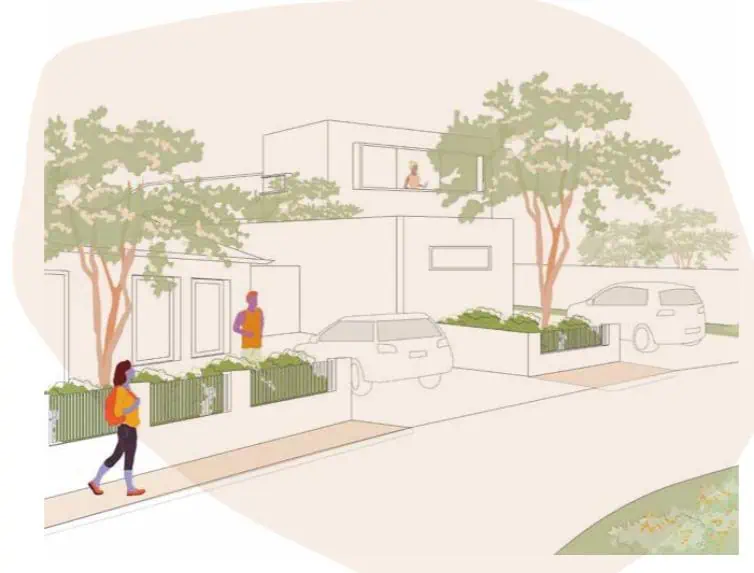
RMD zoning is typically applied in areas earmarked for urban consolidation. These include:
- Suburbs undergoing redevelopment to increase housing density.
- Locations close to transport hubs, shopping centres, and schools.
- Urban infill areas where maximising land use is a priority.
Challenges of RMD Zoning
While RMD zoning offers numerous benefits, there are some challenges:
- Community Concerns: Increased density can raise concerns about traffic, parking, and changes to neighbourhood character.
- Infrastructure Demand: Higher densities require robust infrastructure, including roads, drainage, and public amenities.
- Design Sensitivity: Developments must balance density with liveability and aesthetic considerations to maintain community acceptance.
Conclusion
RMD zoning is a forward-thinking approach to residential development in medium-density areas. By offering streamlined standards and tailored guidelines, it simplifies the planning process for developers while ensuring that new housing meets the needs of growing urban communities.
If you’re considering a development in an RMD-zoned area, understanding the specific standards and opportunities is key. For expert advice and assistance, contact our team today!

